Introduction to Crypto Trading
Understanding the fundamentals of cryptocurrency trading
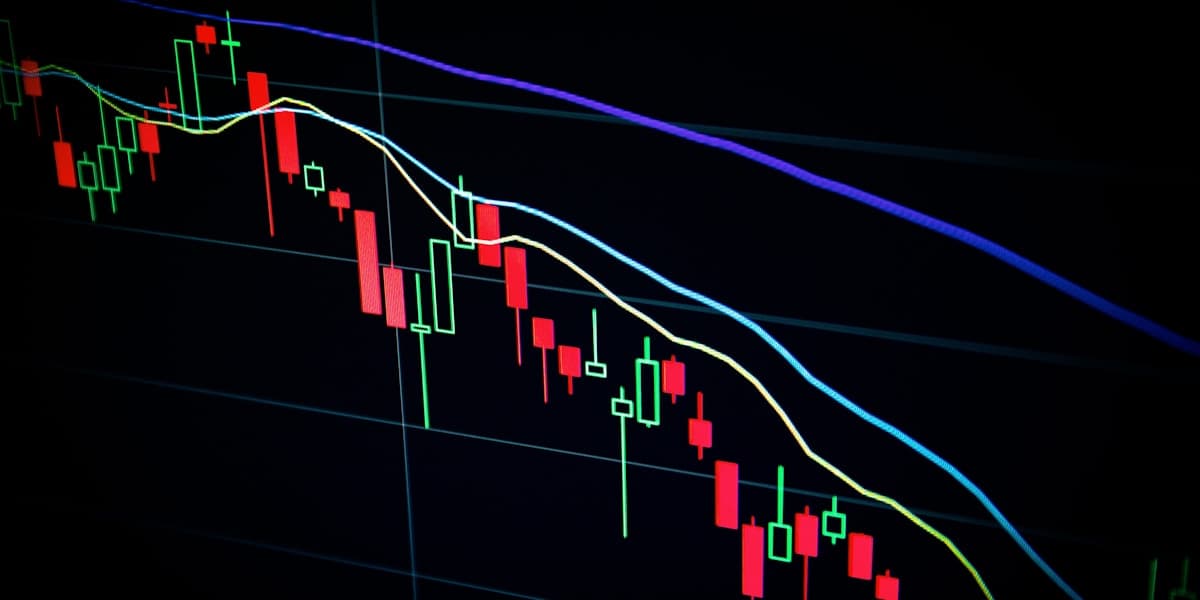
What is Crypto Trading?
Crypto trading involves buying and selling digital currencies on various exchanges, aiming to profit from price fluctuations. It's similar to trading stocks, but instead of company shares, you're dealing with digital assets like Bitcoin or Ethereum.
Key Components of Crypto Trading
1. Cryptocurrency Exchanges
Exchanges are digital marketplaces where you can trade cryptocurrencies. Think of them as online stock exchanges, but for digital currencies.
Popular exchanges include: Coinbase, Binance, and Kraken
2. Trading Pairs
Cryptocurrencies are typically traded in pairs. For example, BTC/USD represents trading Bitcoin against the US Dollar. It's like exchanging one currency for another at a bureau de change.
3. Order Types
Market Order
Buying or selling at the current market price. It's like walking into a shop and paying the listed price for an item.
Limit Order
Setting a specific price at which you want to buy or sell. This is akin to placing a bid at an auction, stating the maximum you're willing to pay.
4. Wallets
Digital wallets store your cryptocurrencies. They come in two main types:
- •Hot Wallets: Connected to the internet, like keeping cash in your pocket
- •Cold Wallets: Offline storage, similar to a safety deposit box in a bank
Trading Strategies
Day Trading
Involves making multiple trades within a day, profiting from short-term price movements. It's like being a day trader in the stock market, but with cryptocurrencies.
HODLing
A long-term strategy where you buy and hold cryptocurrencies, expecting their value to increase over time. This is similar to buying and holding stocks for long-term growth.
Swing Trading
Taking advantage of 'swings' in prices over days or weeks. It's like surfing, where you catch a wave (price trend) and ride it until it loses momentum.
Risk Management
Crypto trading carries significant risks due to high volatility. It's crucial to:
- •Never invest more than you can afford to lose
- •Use stop-loss orders to limit potential losses
- •Diversify your portfolio across different cryptocurrencies
Example: Trading Bitcoin (BTC)
Let's say you believe Bitcoin's price will rise:
- 1.You buy 0.1 BTC at $50,000 per BTC, investing $5,000
- 2.Bitcoin's price rises to $55,000
- 3.You sell your 0.1 BTC for $5,500, making a $500 profit
However, if the price had fallen to $45,000, you would have lost $500 instead.
Market Analysis
Two main types of analysis are used in crypto trading:
Technical Analysis
Studying price charts and patterns to predict future movements. It's like weather forecasting using historical data and trends.
Fundamental Analysis
Evaluating the underlying factors affecting a cryptocurrency's value, such as technology updates or regulatory changes.
Crypto trading offers exciting opportunities but requires careful study and risk management. As the market evolves, staying informed about new developments and regulations is crucial for success in this dynamic field.