What is Blockchain?
Blockchain is a revolutionary technology that serves as a digital ledger for recording and verifying transactions across a network of computers.
To understand blockchain better, let's break it down using some simple analogies and explanations.
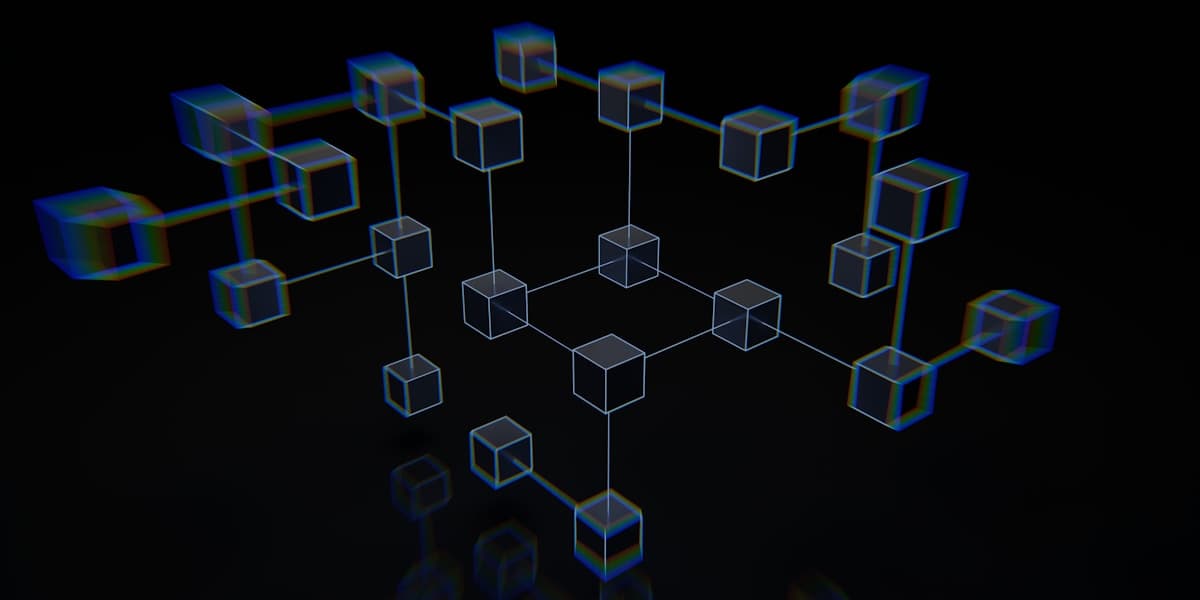
The Community Garden Analogy
Imagine a community garden where everyone in the neighborhood participates. In this garden:
- •Each person can plant, water, or harvest vegetables
- •All activities are recorded in a shared notebook
- •Everyone has a copy of this notebook
- •Once something is written, it can't be erased or changed
This is like how blockchain works:
- →The garden represents the blockchain network
- →The activities are like transactions
- →The shared notebook is the digital ledger
- →The inability to erase or change entries reflects blockchain's immutability
Key Features of Blockchain
Decentralization
Unlike traditional banks or institutions, blockchain doesn't have a central authority controlling it. Instead, it's maintained by a network of computers (nodes) spread across the world. This decentralization makes the system more resilient and harder to manipulate.
Transparency
Imagine a bank made of glass boxes. Everyone can see the contents of each box, but only the owner can access it using a special key. Similarly, blockchain transactions are visible to all participants, ensuring transparency while maintaining security.
Immutability
Once data is recorded on the blockchain, it's extremely difficult to alter. This is because each block is linked to the previous one using complex mathematical equations, forming a chain. Changing one block would require changing all subsequent blocks, which is practically impossible.
How Blockchain Works
- 1.A transaction is initiated
- 2.The transaction is broadcast to a network of computers
- 3.The network verifies the transaction
- 4.Once verified, the transaction is combined with other transactions to create a new block of data
- 5.The new block is added to the existing blockchain
- 6.The transaction is complete
While blockchain is best known for powering cryptocurrencies like Bitcoin, its potential applications extend far beyond digital currencies. Industries such as healthcare, supply chain management, and voting systems are exploring blockchain to enhance security, transparency, and efficiency.
Blockchain technology is revolutionizing the way we think about trust and transparency in digital transactions. By understanding its core concepts, we can better appreciate its potential to transform various aspects of our digital lives.