To understand how blockchain works, it's essential to grasp the roles of nodes, validators, and miners. Let's explore these concepts using simple analogies and explanations.
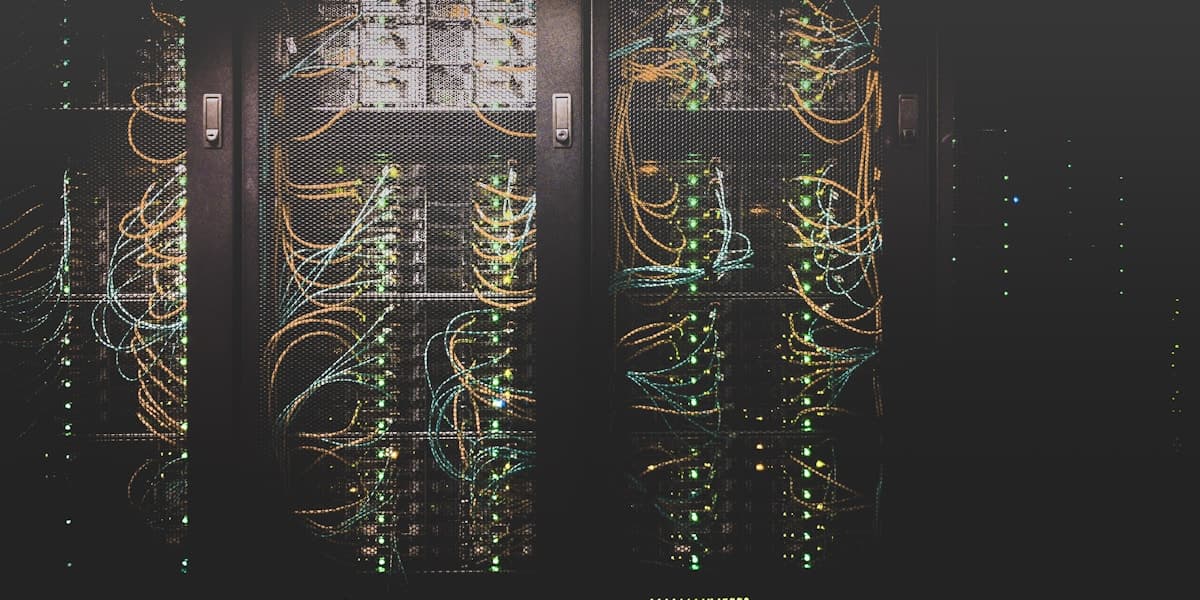
Nodes: The Blockchain's Nervous System
Imagine a blockchain as a living organism. In this analogy, nodes are like the nervous system, transmitting and storing information throughout the network.
What is a Node?
A node is any computer that connects to the blockchain network and stores a copy of the blockchain data. Nodes come in different types:
- •Full Nodes: These store the entire blockchain history and validate new transactions and blocks
- •Light Nodes: These store only essential information and rely on full nodes for detailed data
Analogy: Library Network
Think of nodes as libraries in a city-wide network:
- →Full nodes are like central libraries with complete collections
- →Light nodes are like small branch libraries with limited collections but access to the central catalog
Functions of Nodes
- •Storing blockchain data
- •Verifying transactions
- •Relaying information to other nodes
- •Maintaining the network's integrity
Validators: The Blockchain's Decision Makers
In Proof of Stake (PoS) systems, validators play a crucial role in maintaining the blockchain.
What is a Validator?
Validators are special nodes that propose and confirm new blocks in the blockchain. They "stake" their own cryptocurrency as collateral to participate in this process.
Analogy: Jury Duty
Think of validators as jurors in a court:
- →They are selected based on their qualifications (amount staked)
- →They review evidence (transactions) and make decisions
- →Their decisions affect the outcome (blockchain state)
Functions of Validators
- •Proposing new blocks
- •Voting on the validity of proposed blocks
- •Securing the network through their stake
Miners: The Blockchain's Puzzle Solvers
In Proof of Work (PoW) systems like Bitcoin, miners are responsible for adding new blocks to the chain.
What is a Miner?
Miners are nodes that compete to solve complex mathematical puzzles. The first to solve the puzzle gets to add the next block to the blockchain and receive a reward.
Analogy: Gold Mining
Think of PoW mining as a gold rush:
- →Miners invest in equipment (powerful computers) to find gold (solve puzzles)
- →The first to find gold (solve the puzzle) gets to claim the reward
- →As more miners join, finding gold becomes harder (increased difficulty)
Functions of Miners
- •Solving cryptographic puzzles
- •Creating new blocks
- •Securing the network through computational power
- •Receiving rewards for their work
How They Work Together
- 1.
Transactions are initiated
Users send transactions to the network
- 2.
Nodes receive and relay
Nodes receive these transactions and relay them to other nodes
- 3.
Miners/Validators process
Miners (in PoW) or Validators (in PoS) group these transactions into blocks
- 4.
Consensus is reached
The network agrees on the validity of the new block through the consensus mechanism
- 5.
Block is added
The new block is added to the blockchain
- 6.
Nodes update
All nodes update their copy of the blockchain
Comparison with Traditional Systems
Traditional Centralized Systems
- •A single entity (like a bank) processes and validates transactions
- •Data is stored on centralized servers
- •Trust is placed in the central authority
Blockchain
- •Multiple participants (nodes, validators, miners) work together
- •Data is distributed across the network
- •Trust is established through consensus and cryptography
Nodes, validators, and miners form the core infrastructure of blockchain networks. By working together, they create a decentralized, secure, and transparent system that can operate without a central authority. Understanding these roles helps us appreciate the innovative nature of blockchain technology and its potential to transform various industries.